Classroom participation
How can a classroom assistant support independence?
Agree who teaches, who prepares access and what each adult will observe. A useful classroom plan keeps the learner connected to the teacher, classmates and shared resources.
Published

Plan the classroom assistant’s role around access to teaching
A classroom assistant can support independence through the way the adults organise a lesson. Before deciding where the assistant will sit, agree how the learner will receive teaching, contribute alongside classmates and use the classroom’s resources. Being busy with an assistant is not enough if the learner misses the teacher’s explanation or the group’s discussion.
The Education Endowment Foundation’s 2025 deployment guidance places responsibility for every pupil’s learning with the teacher. It recommends preparing teachers and assistants for complementary roles, including arrangements that give pupils who need additional teaching direct access to their teacher. This guide focuses on that lesson planning, rather than on a sequence of individual prompts.
The opening image is an AI-generated editorial illustration with fictional Indonesian people. It does not depict a real assistant, learner, classroom or school partnership.
Agree a short role brief before the lesson
The teacher can share the learning goal, the task and one likely difficulty before pupils arrive. The assistant needs to know which materials are ready, which group or activity they will support, and when the teacher will work directly with the learner. A brief agreed during preparation is more useful than discovering the task while giving instructions.
For example: “Today pupils will explain why a rectangle’s perimeter includes all four sides. I will teach the first example and work with the group that needs another explanation. Please organise the shape cards for the other pairs and note whether each learner contributes an explanation.” The teacher owns the teaching decision; the assistant has a defined task and something specific to notice.
Agree how the assistant will flag a misconception or an access barrier, and who can change the task. Keep communication discreet. A question about learning should return to the teacher rather than becoming a separate lesson improvised beside the class.
Example: divide roles across a 40-minute maths lesson
This is an illustrative planning example, not a record of a real placement or a recommended timetable for every learner. Adapt it with the school to the lesson and the learner’s agreed support, communication and safety arrangements. Moving an adult to another group must not remove support that the learner needs.
| Lesson stage | Teacher’s responsibility | Assistant’s agreed role | Learner participation |
|---|---|---|---|
| 0–7 minutes: class explanation | Model tracing and adding all four sides of a rectangle | Check that the agreed diagrams and communication resources are accessible | Follow the same explanation and respond through the agreed response method |
| 7–17 minutes: focused teaching | Teach the small group that needs another explanation, including the supported learner if appropriate | Supervise a prepared shape-card task with other pairs | Ask the teacher a question and explain which sides must be included |
| 17–29 minutes: paired practice | Visit pairs and check the reasoning, including the supported learner’s own contribution | Help organise turn-taking and observe who contributes | Take a turn explaining, tracing or recording rather than watching an adult do it |
| 29–35 minutes: individual application | Collect each pupil’s response to a new rectangle | Keep agreed access arrangements available and note barriers without supplying the answer | Show an individual response using the agreed recording method |
| 35–40 minutes: class review | Discuss an error and decide what needs teaching next | Record a brief observation for the planned staff review | Compare the explanation with their own work and contribute to the review |
Protect direct teacher contact and a place among peers
Put teacher contact into the plan rather than leaving it to spare moments. Decide when the learner can receive an explanation, ask a question and get feedback on their own work. The assistant can share a useful observation, but the teacher should also hear or see the learner’s response directly, including through their usual communication system.
Plan a real contribution to paired or group work: choosing an example, explaining an idea, handling shared materials or recording one part of a joint answer. Make the role accessible and meaningful to the task. A classmate should not become an unpaid support adult, and the assistant should not take the learner’s speaking turn.
Where the agreed plan permits, supporting another pair for part of a lesson can create space for the learner to work with classmates or the teacher. Where close adult support remains necessary, organise it so that sightlines, materials and conversation still include the learner.
Review what the deployment made possible
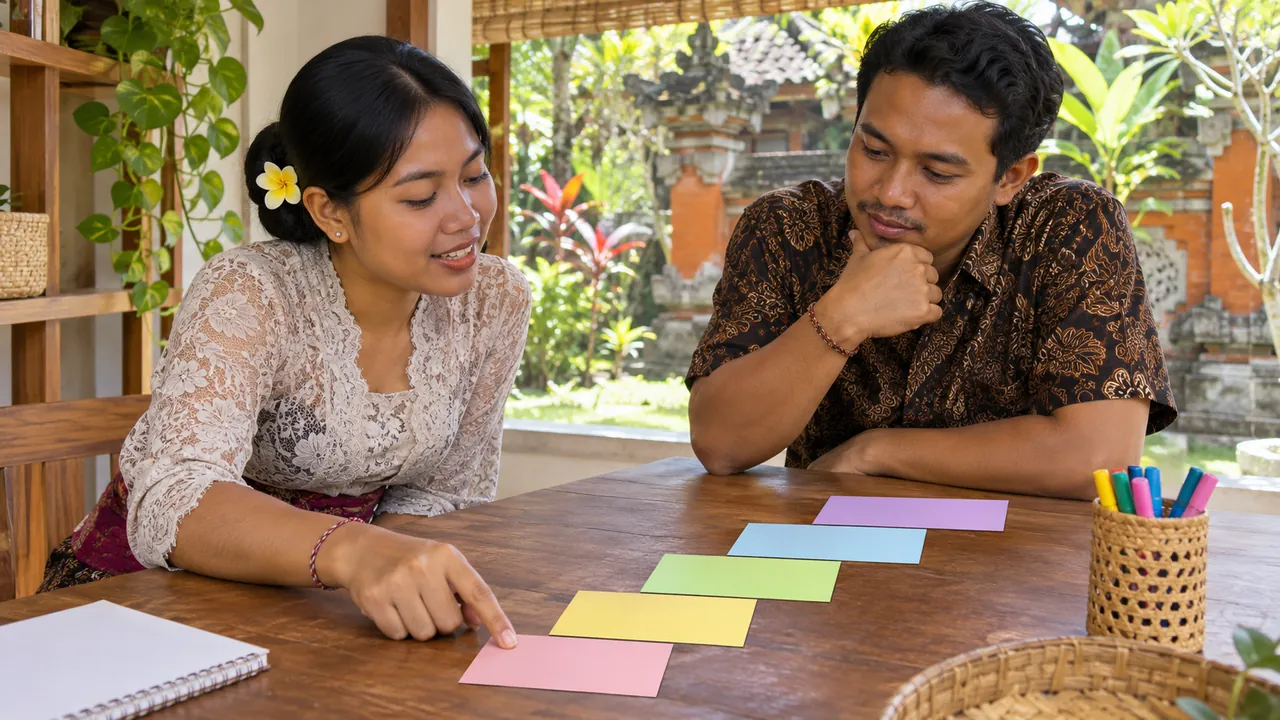
This image is generated for editorial use. It does not show real staff, a real school or confidential learner information.
Choose a review question before the lesson. “Did the learner explain one example to the teacher and contribute to the paired task?” produces more useful evidence than “Was the assistant helpful?” The assistant can note a few observable actions while the teacher checks the learner’s understanding through their work and responses.
A fictional observation might read: “The learner explained the first rectangle to the teacher, pointed to a side while their partner recorded, then waited because the shared diagram was out of reach.” The next planning decision is concrete: keep a second diagram accessible. That note describes participation and a barrier; it does not establish progress from a single lesson.
At an agreed staff check-in, compare the observation with the teacher’s assessment and the learner’s own account where possible. Decide what to keep, what to change and when to review it again. If the assistant repeatedly becomes the only person teaching or communicating with the learner, revisit the allocation of roles with the school.
Frequently asked questions
Should a classroom assistant sit beside the learner all day?
Position and proximity should follow the school’s agreed support and safety plan. Plan direct teacher contact and peer participation, whether the assistant remains close or supports another activity for part of the lesson.
What should the teacher and assistant agree before a lesson?
Agree the learning goal, each adult’s role, accessible resources, direct teacher contact, what the assistant will observe and when they will review it. The teacher retains responsibility for teaching and assessment.
Related
Message us on WhatsApp: +62 858 6969 6869 · info@privatetutoringbali.com · We reply within one working day.