School and private tuition compared
Montessori School Bali vs Private Tutoring Bali: A Learning Philosophy or a Private Lesson?
Compare a Montessori school environment with private subject teaching, without confusing individual attention with a specific educational philosophy.
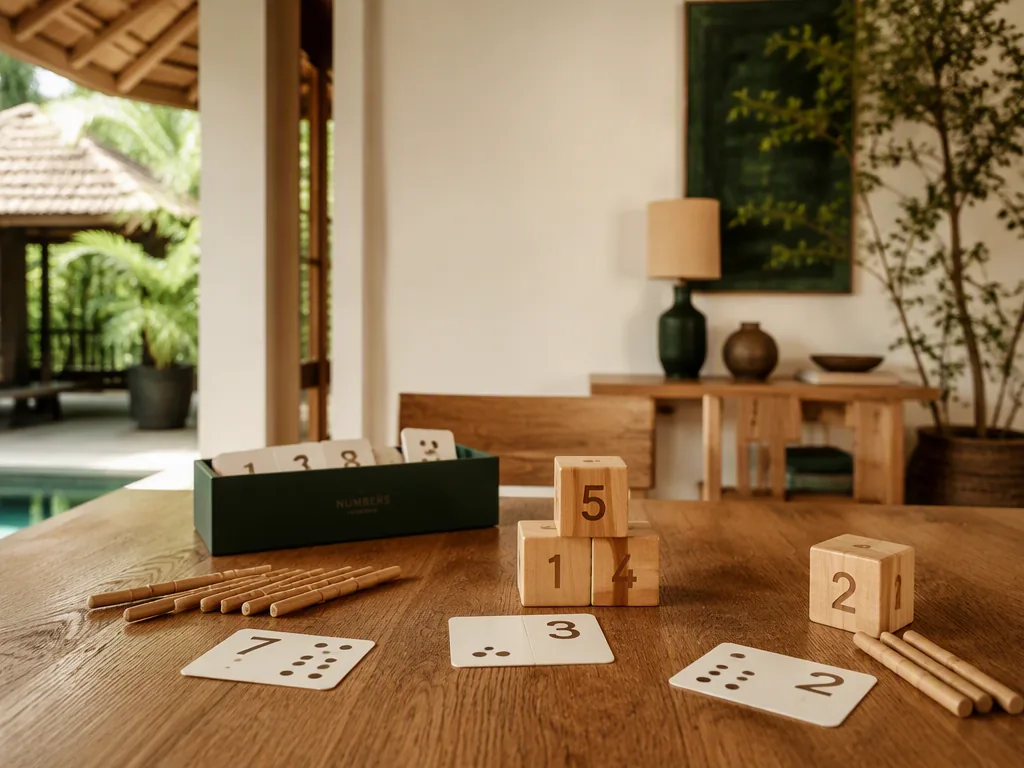
One-to-one teaching is not automatically Montessori education
Montessori School Bali publishes programmes spanning early childhood through an adolescent stage. Its programme overview describes provision for children from around one to fifteen years old, with details varying by programme. Parents should confirm current eligibility directly. Private Tutoring Bali’s published service is for children aged four to seventeen, so the two age ranges should not be treated as identical.
More importantly, a private lesson is a teaching format, while Montessori refers to an educational approach. A tutor working with one child does not automatically provide an authentic Montessori programme. If that philosophy is central to your decision, ask the school about its practice and ask any proposed tutor about relevant training and experience. Do not assume a general tutoring placement reproduces the school’s environment or methods.
Start by observing how your child works independently
Before seeking extra instruction, notice what happens when the child begins a task. Do they choose something appropriate, persist through difficulty, ask for help at a useful point and recognise when they have finished? These observations can help frame a conversation with the school. They are not a diagnosis or a reason to judge a child from one difficult afternoon.
A tutoring brief can then be designed around a specific need rather than a general desire to accelerate everything. A child may need clearer understanding of a concept, more confidence explaining it or a method for checking their own work. The adult’s role should be intentional. Too much prompting can make a session appear efficient while leaving the learner less able to manage the next task alone.
Ask how additional lessons would fit the school’s approach
If your child is enrolled at Montessori School Bali, discuss the reason for outside support before introducing a different set of routines or materials. Ask what the school has observed and whether the difficulty is persistent across settings. A parent’s concern about pace may reflect a real gap, or it may reflect unfamiliarity with how progress is being demonstrated.
When tuition is appropriate, share the agreed objective and relevant work with the tutor. For example, the brief might be to strengthen a particular number concept while preserving the child’s responsibility for choosing and completing a task. Avoid asking the tutor to rush ahead simply to create visible pages of written output. More worksheets are not, by themselves, evidence that the student understands more.
Compare the learning environment, not just the adult ratio
A school offers an organised environment shared with other children. During a visit, ask how space, materials, routines and relationships contribute to learning in the actual programme your child would enter. Look beyond a photograph of attractive resources and ask how the child is helped to use them with purpose.
A home tutoring environment can be calmer and easier to adjust for one learner, but it depends on the space and materials available. The tutor cannot promise to recreate every feature of a school classroom. Parents considering a home-led alternative should decide what resources are needed, who prepares them and how group experiences will be provided. The comparison concerns an entire learning arrangement, not merely whether one adult is present.
Separate a reading concern into questions that can be answered
Suppose a parent worries that a child is avoiding books. This hypothetical concern could involve decoding, vocabulary, understanding, confidence or simply the suitability of the chosen text. A useful first conversation examines what the child can already do and what happens with different tasks. It should not jump straight to a label or a promise of rapid catch-up.
A tutor might work on an agreed component using suitable texts and observe whether the learner can apply it without repeated help. Parents should also discuss concerns with the school and seek appropriately qualified assessment when needed. Tuition is educational support, not a substitute for professional diagnosis. The goal is a clearer account of the difficulty and a manageable plan, not a competition over which provider moves through books fastest.
Plan ahead when moving to a different educational setting
A family may be happy with the current approach but know that a move to another school is likely. Ask the receiving school what evidence it needs and how it introduces new students to its routines. Do not assume either that the transition will be effortless or that the child must abandon everything they have learned about independent work.
A short tutoring brief could introduce unfamiliar task formats, help organise a written explanation or revisit a specified content gap. Keep preparation proportionate and tied to confirmed expectations. It should not become a year of speculative drilling for a school the family has not chosen. Our school-transition checklist can help gather records and questions before deciding whether additional teaching is useful.
Compare age suitability, schedule and fees together
Request Montessori School Bali’s current programme information, attendance arrangements and fee schedule for the child’s age. Check whether the proposed entry requires an introduction, observation or trial process and ask how suitability is assessed. The existence of a programme on a website does not confirm an available place or a particular schedule.
For tutoring, confirm the age fit and teaching brief before discussing hours. A younger child’s learning needs should not be forced into an intensive timetable simply because a parent wants fewer scheduled hours overall. Compare the complete family routine, including play, rest and peer contact. A private appointment may be shorter than a school day because it has a narrower purpose, not because all learning can be compressed without trade-offs.
A decision that respects both independence and support
Choose the school if its philosophy, environment and community are what your family wants after checking the actual programme. Consider tuition when there is a clearly defined learning need that an appropriate tutor can address. If both are used, agree how the support will fit rather than allowing two adults to pull the learner towards incompatible expectations.
Review progress through independent performance and the child’s experience. Can the learner attempt a fresh task, explain a choice and notice an error with less help? Those observations are more useful than counting how long the adult talked. This comparison does not claim that Private Tutoring Bali is Montessori-accredited, endorsed by the school or able to reproduce its full programme through private lessons. During a review, allow the child time to show how they approach an unfamiliar activity before an adult intervenes. Notice the choices they make, the materials they select and the point at which they request help. These observations can support a constructive conversation about independence and challenge, especially when the family wants additional teaching to respect an established way of learning.
Explore one-to-one teaching with Private Tutoring Bali and the published tutoring rates if your child needs help with a particular skill. When you discuss your requirements, explain the methods and materials they already use. This allows us to consider tutor experience and how any additional teaching could support the learning approach your family values.
Frequently asked questions
Are all your tutors Montessori teachers?
No such general claim is made. If Montessori training is essential to the brief, ask for the individual tutor’s relevant credentials and availability before booking.
Do you provide the same toddler programmes?
Private Tutoring Bali’s published age range is four to seventeen. Contact Montessori School Bali directly about its younger-child programmes and current entry requirements.
Can individual lessons complement a Montessori placement?
That depends on the need and the proposed approach. Discuss the concern with the school, define the goal and avoid introducing conflicting methods without a clear reason.
Related
WhatsApp +62 858 6969 6869 · info@privatetutoringbali.com · We reply within one working day.
Sources and further reading
Published by Private Tutoring Bali. Sources and corrections.