Family life
What Expat Parents in Ubud Ask About Education
The education questions Ubud parents ask most: school or home learning, curriculum fit, travel weeks and how tutoring slots into an Ubud rhythm.
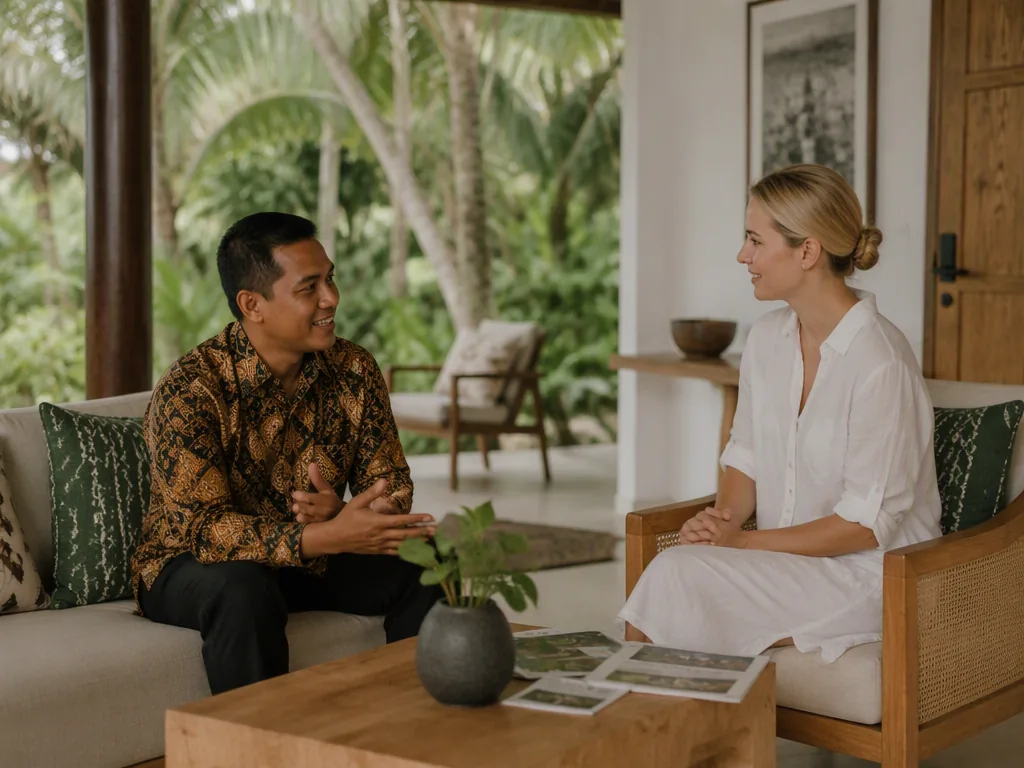
The short answer
Ubud families live a different school week from the Canggu coast: longer drives, more mixed ages at home, and more weeks shaped by visitors and ceremonies. The education questions sound the same; the logistics do not.
This piece answers the questions we hear most from parents based around Ubud, without pretending one model fits every family.
Homeschooling or school in Ubud?
Homeschooling is formally recognised in Indonesian law, which distinguishes single-family, multi-family and community-based forms. How those rules apply to foreign families on temporary residence permits is not clearly documented, so expat families in Bali commonly homeschool informally or through accredited online schools. Verify your own situation rather than relying on forum advice.
In practice, Ubud has one of the most active homeschool and worldschool communities in Southeast Asia, with regular meetups, shared classes and excursions. Families who thrive here tend to treat community as a complement to a structured academic programme, not a substitute for one.
A blended arrangement is common: school four days and a tutor-led study morning on the fifth, or homeschooling with two or three weekly tutor sessions as the academic spine. Blends work because they match the rhythm of family life here rather than fighting it.
Consider the time your family can realistically devote to homeschooling. Planning, teaching, keeping records and arranging regular social activities all require attention. Some parents manage the full programme; others combine their own teaching with tutors or an educational provider. Agree on responsibilities before choosing the weekly schedule.
Green School and Montessori questions
The Ubud area is known for alternative and nature-based schooling, and families often ask us whether such schools keep children academically on track. The honest answer is that it depends on the child and on your next destination. Project-rich, low-structure environments suit many children beautifully, particularly in the younger years.
The question to hold onto is portability. If there is any chance of a future move into a conventional exam system, ask the school how learning is assessed and recorded, and consider periodic benchmarking in maths, reading and writing so you always know where your child stands against a transferable standard.
It is also fair to ask any alternative school how its students fare when they move on: where graduates go next, and how the school prepares children for exam systems if families later choose one. Schools confident in their outcomes answer this readily.
Conventional international schools within driving distance of Ubud answer the opposite concern: structure and portability first, with less of the alternative atmosphere. Visiting one of each type on consecutive days is the fastest way to learn what your own child responds to.
How tutoring fits Ubud family life
Tutoring in Ubud tends to take one of three shapes. For school students, it is a weekly session closing subject gaps or stretching a strength. For homeschoolers, it is a structured anchor: regular sessions in maths and English that give the week an academic spine. For worldschooling families passing through, it is a short block that keeps continuity while the family travels.
Ubud is one of our primary in-person areas, with travel arrangements confirmed before booking. Sessions happen at your home or villa, and online sessions cover the weeks your family is away.
For families hosting visiting grandparents, running retreats or working from the same villa, sessions at home remove the logistics entirely: no driving, no waiting, and a parent within earshot.
Curriculum questions
Families in Ubud follow every curriculum imaginable: IB, Cambridge, Australian, US-pattern online schools and national curricula from a dozen countries. The curriculum matters less than the continuity behind it. A child who follows one coherent programme with good records can move almost anywhere later.
If you are unsure which framework to commit to, choose by destination. Where is your child likely to be educated at 16? Work backwards from that answer, and let the intervening years serve it.
Whichever framework you choose, keep dated work samples from the start. A tidy folder of real work answers most of the questions a future school will ask, and it costs nothing but the habit of keeping it.
Practical next steps
None of these steps requires a booking or a commitment. They are the order of operations we see work for families settling their children’s education in and around Ubud.
- Write down your likely education destination at ages 11, 14 and 16, then choose the route that serves it.
- If you homeschool, set a weekly academic spine of maths and English, with dated work samples kept from the start.
- Benchmark reading, writing and maths at least once a year against a transferable standard.
- Visit schools with your child and trust their report of the day alongside your own impressions.
- If you want structured support for any of these routes, send us four lines on WhatsApp: your child’s age and year group, school, curriculum and area. We reply within one working day.
Frequently asked questions
Is homeschooling legal for expat families in Bali?
Indonesian law formally recognises homeschooling, but how it applies to foreign families is not clearly documented. Expat families commonly homeschool informally or via accredited online schools; verify your own situation with local authorities.
Can tutoring replace school entirely?
For homeschool families, tutors often provide the structured academic core of the week, with parents and community activities around it. Tutoring complements schooling; it is not a school.
Do you tutor in person in Ubud?
Ubud is one of our primary in-person areas, with travel arrangements confirmed before booking. Online sessions are also available.
Do you offer in-villa tutoring in Ubud?
Ubud is one of our regular in-person areas, with travel arrangements confirmed in writing, and online sessions available when you travel. See private tutors in Ubud for the local page.
How quickly can a tutor start in Ubud?
After the discovery call, we confirm tutor availability and the expected time for your written profile.
What does tutoring cost for Ubud families?
Sessions follow the published rate card: Standard IDR 500,000 per hour for children, Advanced IDR 800,000 per hour for companies, and Master IDR 1,000,000 per hour for specialist teaching. See the pricing guide.
Where should we start if school choice is still open?
The international school comparison and international curriculum pages are useful starting points.
Related
WhatsApp +62 858 6969 6869 · info@privatetutoringbali.com · We reply within one working day.
Sources and further reading
Published by Private Tutoring Bali. Sources and corrections.